Complaints Procedure for Business Waste Removal Blackheath
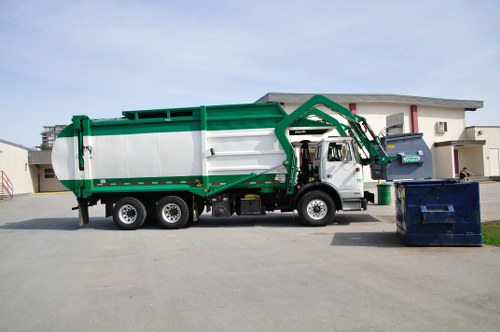
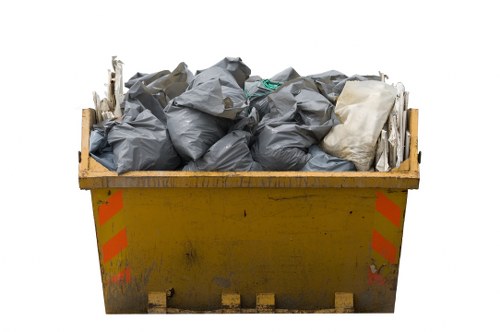
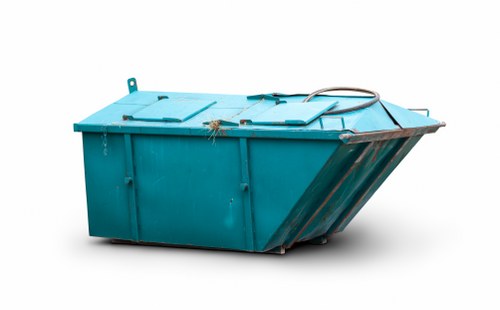 Purpose and scope: This Complaints Procedure sets out how complaints relating to Business Waste Removal Blackheath and associated commercial waste services are handled. It applies to enquiries and complaints about our rubbish collection and commercial disposal work for businesses, including scheduled commercial waste removal in Blackheath, ad-hoc skips, and collections from business premises. Our aim is to resolve concerns promptly, fairly and consistently while maintaining environmental and regulatory standards.
What counts as a complaint
A complaint is any expression of dissatisfaction about the quality, timeliness or conduct associated with business waste collection, waste transfer handling, recycling practices, or documentation. Examples include missed collections, damage to property during collection, incorrect invoicing related to business rubbish removal in Blackheath, or perceived non-compliance with agreed service levels. Concerns about health and safety or breaches of legal waste handling must also be raised through this procedure.
 To ensure clarity, not every contact is regarded as a formal complaint. Routine service enquiries, operational updates or requests for information are handled under normal customer service processes. If an enquiry escalates or remains unresolved, it will be treated as a complaint and managed under the steps below.
How to raise a complaint: Customers should submit a clear description of the issue, including relevant dates, locations, vehicle or job reference where known, and any supporting evidence such as photographs or documents. While this procedure does not include contact details, commercial customers should use their established service channels to register complaints so the handling team can access job records and contractual terms quickly.
Initial acknowledgement and assessment
Upon receipt, complaints are acknowledged promptly, typically within two working days. The acknowledgement will indicate who is handling the case and an expected timescale for initial investigation. During assessment we will determine the nature of the complaint, relevant policy or contractual terms, and whether immediate remedial action is necessary to prevent recurrence or to address health and safety concerns.Investigation: The complaint will be investigated thoroughly, gathering statements from drivers, crew members or site contacts, reviewing collection logs, CCTV or vehicle telematics if available, and checking paperwork such as transfer notes or invoices. Investigations will be proportionate to the seriousness and complexity of the issue.
 Decision and outcome: Following investigation we will provide a written response that explains findings, any remedial actions taken, and proposed solutions. Responses will include an apology where appropriate, corrective steps (for example rescheduling a collection, offering a service credit, or retraining staff), and measures to prevent a repeat. The decision will reference the specific service agreement or operational standard that applies.
Escalation and review process: If the complainant is not satisfied with the initial outcome, the matter may be escalated for an internal review. An impartial senior manager will re-examine the case and provide a final internal response. The review will focus on whether the investigation was complete and whether the remedy was proportionate. We aim to complete reviews within a reasonable timeframe and to communicate progress during the review.
 Record keeping and learning: All complaints, outcomes and remedial actions are recorded for audit and continuous improvement. Records support trend analysis so we can identify recurring issues—such as route planning faults, vehicle maintenance gaps, or customer communication breakdowns—and implement systemic changes. Regular training and operational adjustments are driven by lessons learned to improve reliability of waste removal for businesses.
Service standards and timelines: We are committed to a prompt and proportionate handling of complaints. Typical target times are as follows:
- Acknowledgement: within 2 working days.
- Initial response: within 10 working days of acknowledgement.
- Final response: following internal review, within 20 working days unless further investigation is required.
Confidentiality and fairness: Complaints are handled sensitively and information is shared only with those who need to investigate or implement a remedy. We treat all complainants fairly, regardless of the scale of the business or the nature of the contract.
Monitoring performance: Management reviews complaint data as part of service governance to ensure the quality of commercial waste services. Key performance indicators include response times, resolution rates and recurrence of similar complaints. Findings may lead to operational improvements across the waste collection and disposal process.
Third-party involvement and regulatory matters: If a complaint involves potential breaches of environmental or waste management law, the issue may be referred to the appropriate regulatory authority after informing the complainant. Similarly, where allegations of improper disposal or duty of care failures are substantiated, corrective and reporting steps will follow regulatory requirements.
Scope limitations: This complaints procedure covers services delivered under commercial arrangements for business rubbish removal and related waste management activities. It does not replace statutory processes where legal sanctions or formal regulatory enforcement is necessary.
Continuous improvement statement: We welcome complaint-led insights as an essential part of improving commercial waste removal services. Complaints are treated as an opportunity to refine processes, rebuild trust, and deliver a more reliable rubbish collection experience for businesses in the service area.
